

Journey Through Cambodia
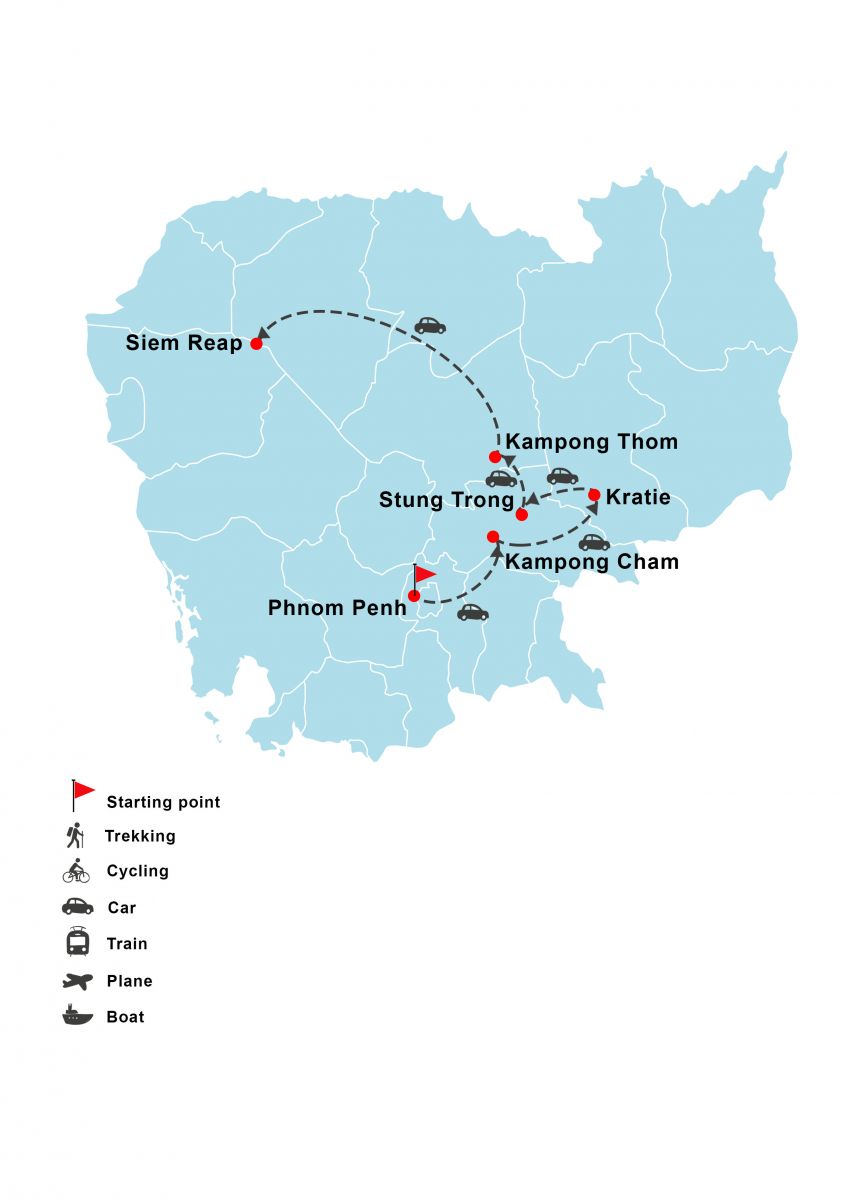
Phnom Penh - Kratie - Siem Reap
This tour is a great combination between the ancient capital, the religious monuments and the natural beauty of rice paddies, rural villages, mighty rivers.
Duration: 10 days / 9 nights
Country: 3
Code: CAC8
Classic Highlights
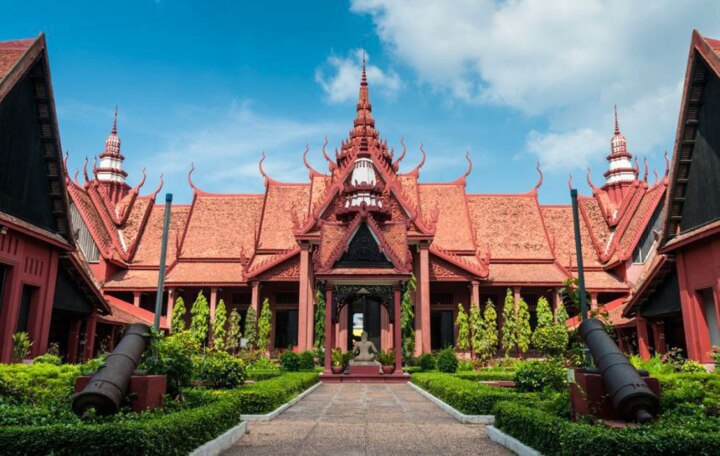
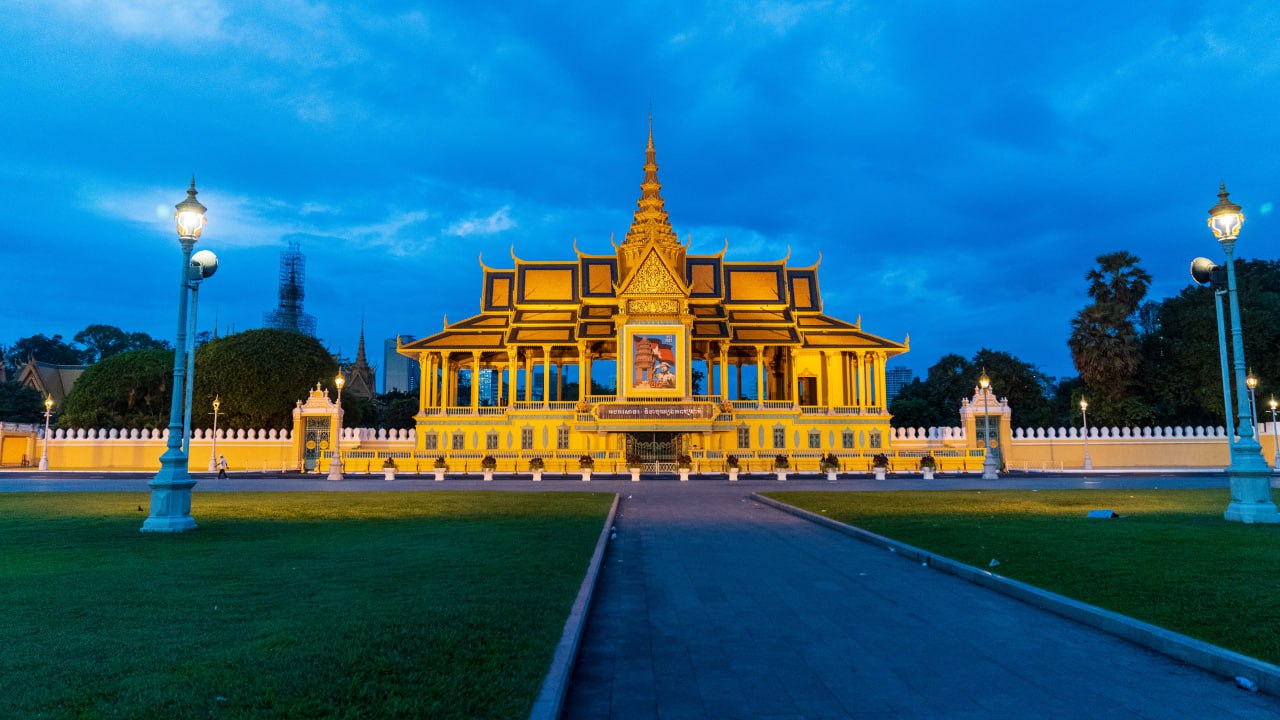
- Discover the rich culture and history of Phnom Penh by visiting its iconic landmarks: Royal Palace, Silver Pagoda, and Tuol Sleng Genocide Museum.
- Enjoy a relaxing cyclo ride along the Mekong riverside and experience the vibrant atmosphere of the capital.
- Escape the city and explore the peaceful countryside of Kampong Cham and Kratie, known for their charming riverside scenery and traditional lifestyle.
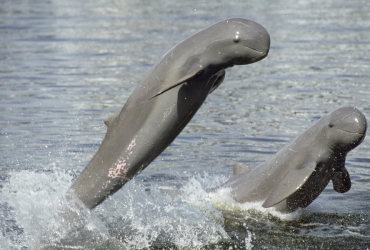
- Take a boat trip at Prek Kampi to observe the rare and endangered Irrawaddy dolphins in their natural habitat.
- Explore Siem Reap and the UNESCO World Heritage Site of Angkor, including the ancient capital of Angkor Thom.
- Experience rural Cambodian life with a traditional ox-cart ride through rice paddies and interact with local families.
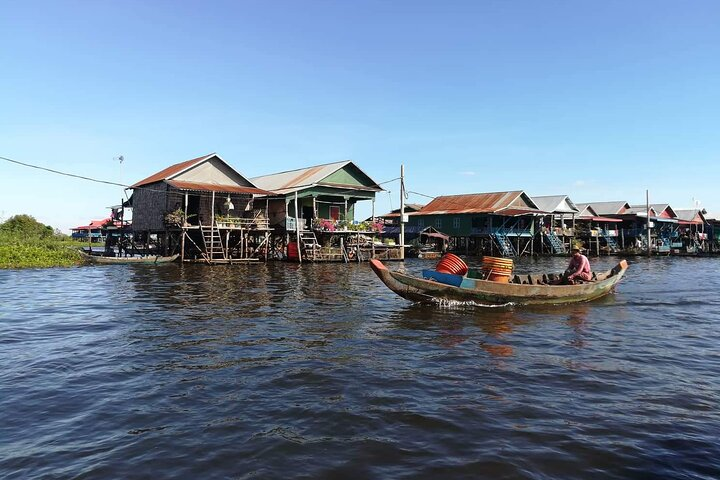
- Visit a floating village on Tonle Sap Lake, where houses, schools, and shops sit on the water.
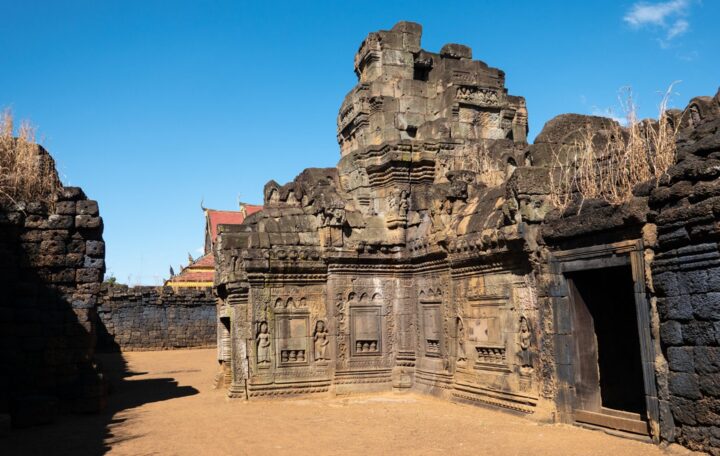
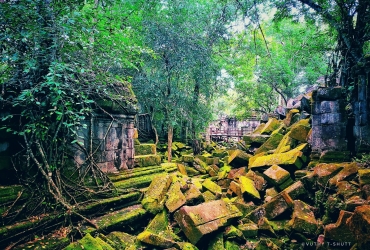
- Discover the mysterious jungle temple of Beng Mealea, one of the most atmospheric temples in the Angkor region.
- Travel to Phnom Kulen National Park, visit the sacred River of a Thousand Lingas and enjoy a refreshing swim at the waterfall.
- Join a hands-on Khmer cooking class and learn how to prepare traditional Cambodian dishes.
Itinerary
Expand all Collapse all
Breakfast served at the hotel. This morning, travel to the peaceful countryside of Cheung Ek, located about 17 km from Phnom Penh. At first glance, the quiet green fields may not reveal the tragic history that took place here. Cheung Ek is widely known as the Killing Fields, a site made internationally famous by the film The Killing Fields. Today, a large memorial stupa stands in remembrance of the more than 17,000 victims who lost their lives here during the Khmer Rouge regime under Pol Pot. The memorial and the mass graves scattered throughout the area serve as a solemn reminder of the suffering endured by the Cambodian people. This visit offers important insight into Cambodia’s tragic past as well as the resilience and strength of its people as they rebuild their nation.
Return to Phnom Penh for lunch at your own arrangement. In the afternoon, continue to the Tuol Sleng Genocide Museum. Originally a high school before 1975, the site was converted by the Khmer Rouge into Security Prison 21 (S-21), one of the most notorious interrogation and detention centers during the regime. Today, it serves as a museum that documents the tragic stories of thousands of innocent Cambodians who were imprisoned and tortured here. Walking through the narrow corridors and former classrooms provides a powerful and emotional glimpse into Cambodia’s turbulent history. Photographs of prisoners and historical displays help visitors better understand the suffering endured during this dark period.
Afterwards, visit Wat Phnom, the historic temple that gave Phnom Penh its name. Situated on a small hill, the temple offers a peaceful atmosphere and pleasant views over the surrounding tree-lined avenues of the city. Return to the hotel for overnight stay.
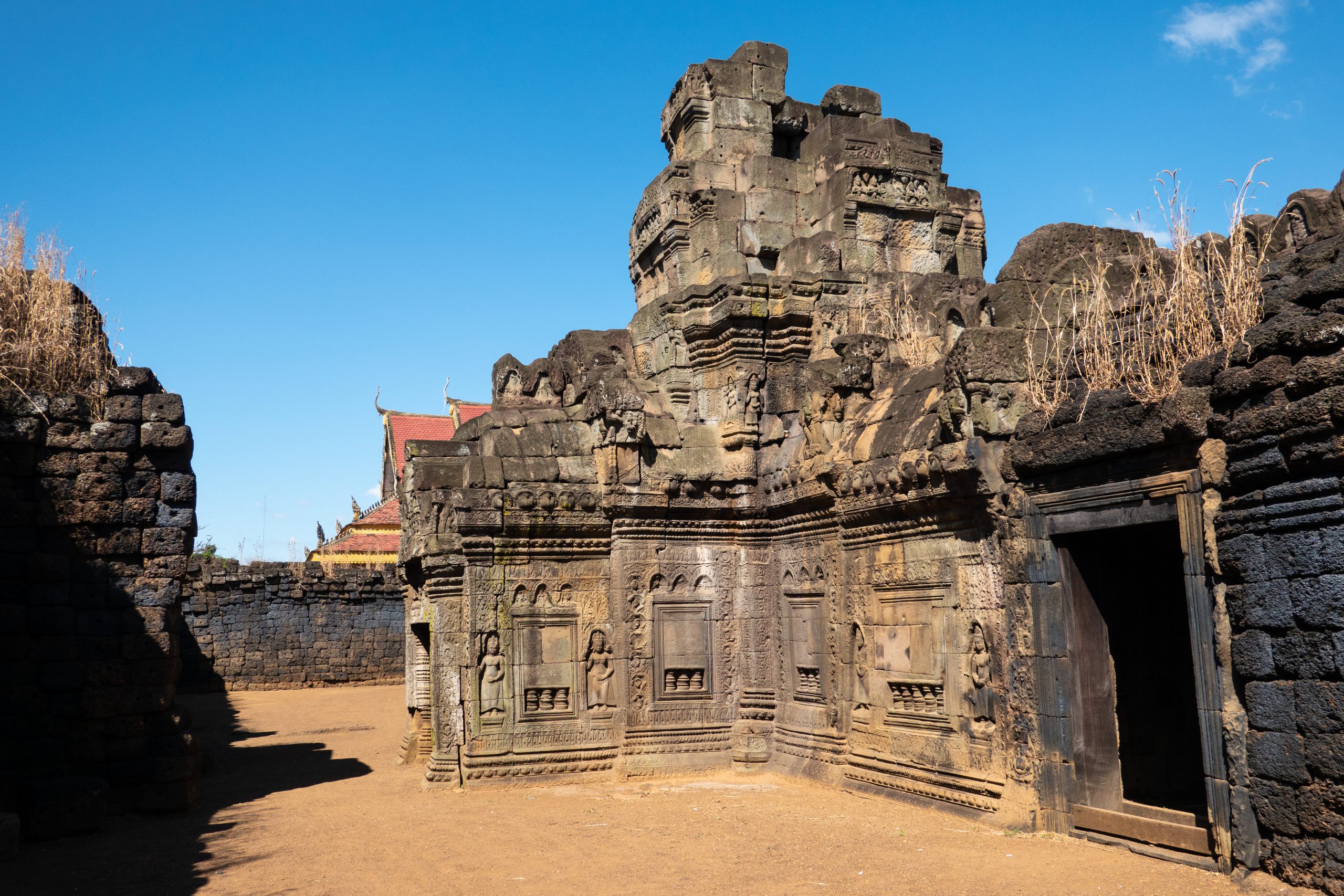
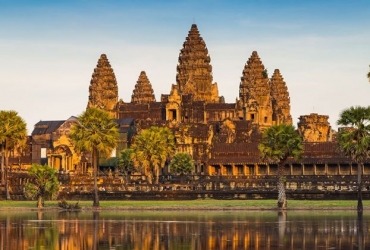
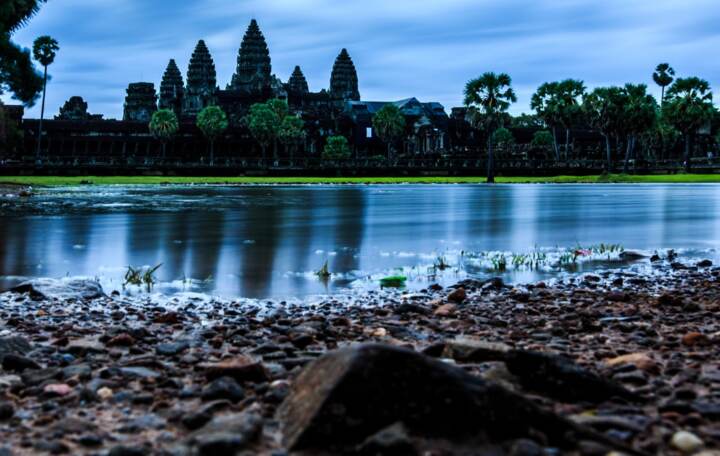
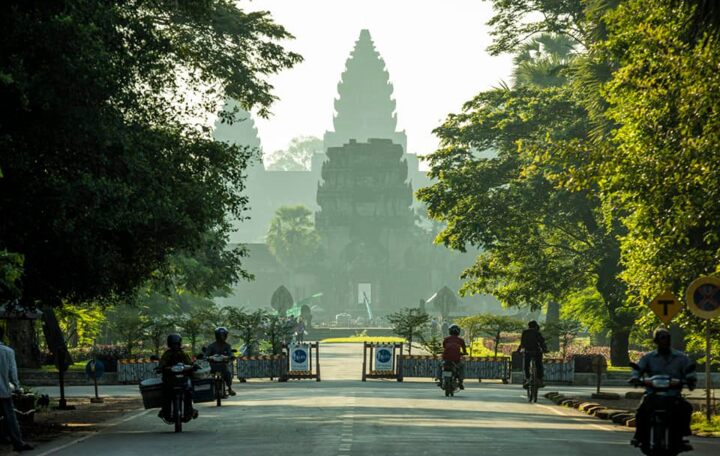
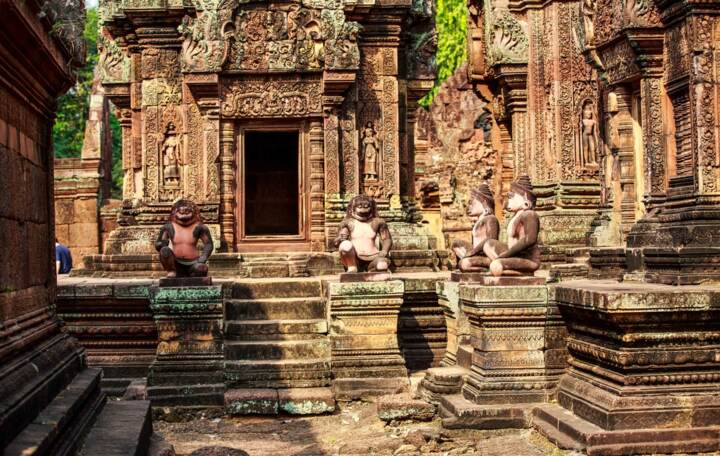
Beat the crowd early morning by 7am, visit the picturesque Ta Prohm that had nearly disappeared into the jungle and remains overgrown, an oddly haunting and exotic scene. The magnificent roots of a tree, pushing between the huge stone blocks of the temple in a sort of embrace, evoke feelings that you may remember forever. And continue to visit the intricately carved Khmer ruins at Angkor Wat - one of the world’s most impressive ruins. The temple still owns fine Apsara carvings in Angkorian era art. Lunch is own account.
Afternoon, explore the mysterious Royal city Angkor Thom. City & Bayon Its 54-tower temple is an awesome sight. At first glance it seems a shapeless mass of stone, but further scrutiny reveals a face, and then another and another until suddenly you are engulfed by the silent, heavy, enigmatic and silent gaze through half-closed eyes, staring out from a primitive and remote time. Further, visit to the surroundings of the complex including the Baphou, Elephant Terraces, Lepper King Terrace and Royal Place area and visit one more ruin in Angkor Area of Preah Khan temple, built in 12th century by King Jayavarman VII and it is the same style to Ta Prom Temple.
Morning transfer out of the Siem Reap town to a beautiful village in the countryside, you will start to walk through the village houses, witness with very nice and different activities from the locals for their daily life. Just as some examples: how the locals wash vehicles, selling gasoline in whiskey bottles or the small shops where the locals sell food on the side of small streets.
On the way, you can take some fruits from the plants, enjoy a view of this wonderful area and interact with very kindly people in the village, a 30-minute old mean vehicle ox-cart ride through the rice paddies to reach at one big local house to see how this family doing daily work such as making rice wine and handicraft works meanwhile the member of the family will offer you of fresh coconut and some manmade rice wine to taste. Lunch is served at this clean and basic hygiene village house while chatting with the family to get in-depth understanding of the village life. Hop in your van for driving onward to the next destination, a floating community, Mechrey village where you take Kayak through houses, schools and even shops all sit bobbing on the water — though not in the dry season — as locals paddle around in traditional wooden boats. (Recommended from October – February).
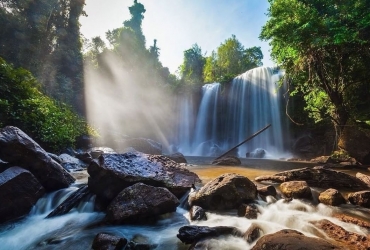
Located 40km north of Angkor Wat, the Phnom Kulen mountain range provides Siem Reap with water and dominates the skyline of the flat plains surrounding it. Although the highest peak of the mountain range lies at only 487m, Phnom Kulen has much to offer visitors. The Cambodian people regard the site as the birthplace of the ancient Khmer Empire. King Jayavarman II claimed independence from Java there in 802 A.D. Travel in the morning by car through the countryside to Phnom Kulen and start the rather steep climb up by car. On top of the mountain you will visit a modern style pagoda that offers stunning views over the Angkor area. Visit the eight meter tall statue of a reclining Buddha and wash your hands at the Linga statue to purify your mind and body. Continue to visit the River of One Thousand Lingas and the magnificent waterfall close to it. Take a refreshing swim in the stream and pool of the waterfall. If time allows, take a stroll around the area with your guide and venture off the beaten track to take in the impressive forest and scenery. Return to Siem Reap in the late afternoon.
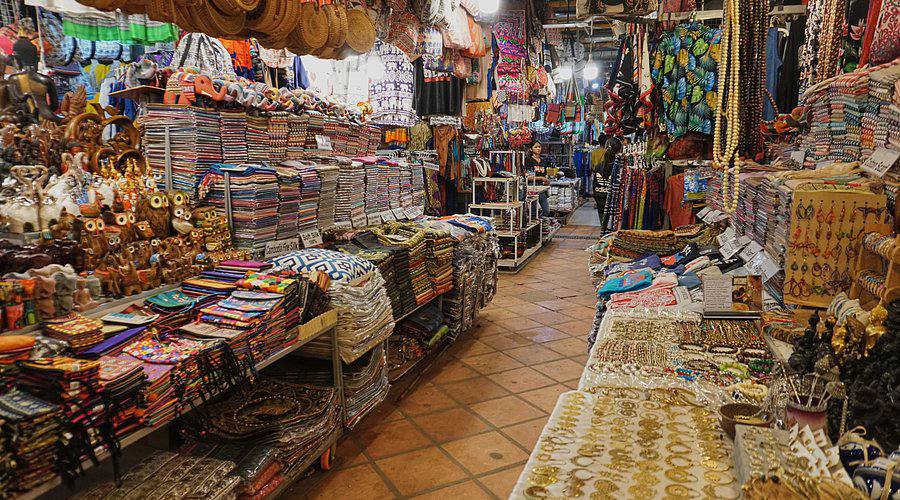
Experience a hand on Cambodian Cooking Class instructed by a chef. First visit local market to choose the ingredient for the cooking class. The chef will explain the many varieties of ingredients and vegetable used in Khmer cooking. Learn to make three Cambodian dishes with instruction and demonstration by the chef and enjoy your creation following the class. Free in the afternoon for relaxation in the pool or walking around the old market. Transfer for departure.
Tour Includes:
- Accommodation in a double or twin-share room with daily breakfast
- Private air-conditioned vehicle for all tours and transfers
- Entrance fees for all sightseeing as mentioned in the itinerary
- Experienced English-speaking guide during all tours and transfers
- Meals as specified in the itinerary (B = Breakfast, L = Lunch, D = Dinner)
- Traditional ox-cart ride in the countryside
- Local private boat and kayaking experience
- Khmer cooking class
- Drinking water and cool towels during sightseeing
- Government taxes and service charges
Tour Excludes:
- Cambodia visa fee (approximately USD 30 per person, subject to change)
- International airfare and airport taxes
- Meals not specified in the itinerary
- Early check-in or late check-out at hotels
- Domestic flights and domestic airport taxes (if applicable)
- Compulsory Gala Dinner on 24 December and 31 December if required by hotels
- Peak season surcharge during major holidays such as Christmas, New Year or Lunar New Year if applicable
- Drinks and meals not mentioned in the itinerary
- Personal expenses such as laundry, telephone calls, beverages, etc.
- Personal travel insurance (strongly recommended)
- Gratuities or tipping for guide and driver
- Any other services not clearly mentioned in the itinerary
|
|
|
|