





Compared to many destinations worldwide, Indonesia is generally a safe country, with strict penalties applied to crimes, including minor offenses. However, travelers should remain alert to street crime risks such as pickpocketing and bag snatching, particularly in crowded tourist areas. It is advisable to take sensible precautions to protect personal belongings and avoid traveling alone, especially at night. Credit card fraud can occur, so always keep your card in sight during transactions. Extra caution is recommended when using public transportation, and if traveling by car, ensure doors are locked at all times. Indonesia is also home to numerous active volcanoes, some of which may erupt with little or no warning. Travelers should monitor local news and official advisories before visiting regions with volcanic activity.

Indonesia tours
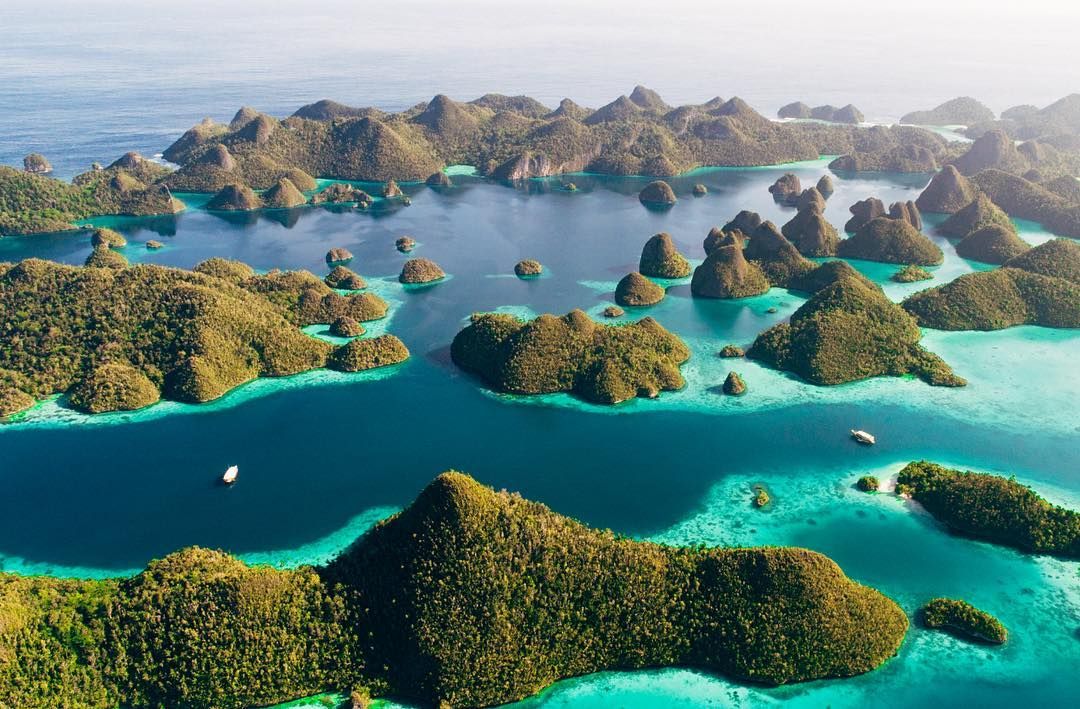
Indonesia, a country known for its motto “Unity in Diversity,” boasts a rich tapestry of cultures, formed by its unique geography and history. With over 17,000 islands, Indonesia is a paradise where breathtaking landscapes, from lush jungles to pristine beaches and soaring mountains, converge. Home to a diverse range of flora and fauna, Indonesia is a wonderland for nature lovers, offering the chance to see iconic creatures like komodo dragons, elephants, tigers, and more. This country is also a treasure trove of history and culture, with legendary temples like the Buddhist temple of Borobudur and the Hindu temple of Prambanan, as well as some of the world’s most stunning white sand beaches. If you’re looking for an unforgettable vacation, consider visiting Indonesia and immerse yourself in its diverse beauty.
Passport & Visa
Visa
Foreign nationals from countries included in Indonesia’s Visa-Free List (169 countries) are eligible for visa-free entry through 124 designated immigration checkpoints. This allows a 30-day stay, which cannot be extended.
Visa-free entry requirements include:
A passport valid for at least 6 months, with at least two blank pages; confirmed onward or return flight tickets; all required documents for the next destination; proof of sufficient funds for the duration of stay; confirmation from the airline that boarding is permitted without a visa.
Travelers planning to stay longer than 30 days must choose one of the following options: apply for a visa prior to departure or obtain a Visa on Arrival (VOA) at a cost of USD 35 (or the equivalent in Indonesian Rupiah).
The Visa on Arrival is valid for 30 days and may be extended once for an additional 30 days by applying at an immigration office within Indonesia.
- Be valid for at least six months from the date of application
- Contain at least one blank visa page (certain visa types may require more)
- Be in good physical condition
- Applicants may also be required to provide copies of relevant passport pages, including the personal information page and any previous visas or entry stamps.
Currency
The official currency of Indonesia is the Rupiah (IDR), issued and regulated by Bank Indonesia, with the currency symbol Rp.
By law, all domestic transactions must be conducted in rupiah, and updated exchange rate information is widely available through online platforms, mobile applications, and digital news sources.
Indonesian banknotes are issued in denominations of IDR 1,000, 2,000, 5,000, 10,000, 20,000, 50,000, and 100,000, while coins in circulation include IDR 50, 100, 200, 500, and 1,000.
Although the rupiah is the only legal tender, some large hotels and tourist-oriented shops may accept foreign currencies such as U.S. dollars, subject to their own exchange rates.
As a reference, the exchange rate is approximately 1 USD = 15,189 IDR and 1 EUR = 16,131 IDR.
Traveller’s cheques are now rarely used in Indonesia and are not widely accepted, despite offering added security through ID verification and replacement in case of loss or theft.
Credit cards are widely accepted at hotels, upscale restaurants, and major retail stores.
ATMs connected to international Plus, Cirrus, or Alto networks are common in major cities and tourist areas, with withdrawal limits depending on your home bank; machines usually dispense IDR 50,000 or IDR 100,000 notes, and larger denominations may be difficult to change in rural or non-tourist areas, so it is advisable to withdraw sufficient cash in major cities before traveling to remote destinations.
Weather
Indonesia has a tropical climate with two distinct seasons: the dry season and the wet season, and warm temperatures averaging around 28°C during the day throughout the year.
In most regions, the dry season typically runs from May to September, while the wet season lasts from October to April.
There are, however, some regional variations. In Sumatra, rainfall generally occurs from October to January in the north and from November to February in the south.
Sulawesi, due to its unique geographical shape, experiences slightly different weather patterns, with increased rainfall in its northern areas during June and July.
Overall, the best time to visit Indonesia is from May to September, when conditions are generally dry, sunny, and ideal for outdoor activities.
Even during the wet season, temperatures remain warm, and rainfall usually comes in short, heavy tropical showers that last only a few hours and rarely disrupt travel plans.
Vaccinations & Medicines
The CDC and WHO recommend that travelers to Indonesia be up to date with routine vaccinations and consider additional vaccines depending on travel plans and length of stay.
Commonly recommended vaccinations include hepatitis A, hepatitis B, typhoid, Japanese encephalitis, rabies, meningitis, polio, measles, mumps and rubella (MMR), Tdap (tetanus, diphtheria and pertussis), chickenpox, shingles, pneumonia, and seasonal influenza.
Yellow fever vaccination is only required if travelers are arriving from, or transiting through, countries with a risk of yellow fever transmission.
COVID-19 vaccination is recommended for both international and domestic travel within Indonesia.
Travelers are advised to consult their local healthcare provider or a certified travel health clinic well in advance of departure to receive the most appropriate and up-to-date immunization guidance.
Phone & Internet Service
Phone
Indonesia’s country calling code is +62. To place an international call to Indonesia, dial 00 + 62 + area code + local number (omit the leading zero of the area code).
Prepaid SIM cards are widely available at international and domestic airports, with booths operated by major local providers such as Telkomsel, XL, Smartfren, 3/Tri, Axis, and Indosat/IM3. Prices vary by provider and package, typically starting from IDR 10,000, depending on data allowance and validity.
Internet Service
Free Wi-Fi is commonly available in major cities across Indonesia, including shopping malls, restaurants, cafés, hotels, and tourist attractions. Most public Wi-Fi networks are password-protected, and access details can usually be obtained from staff on site.
Please note that public Wi-Fi networks may not always be secure, so travelers are advised to avoid sensitive transactions and review terms and conditions carefully before connecting.
Flights & Airports
Indonesia’s busiest airports include Jakarta Soekarno-Hatta International Airport, Bali Ngurah Rai International Airport, and Surabaya Juanda International Airport. Garuda Indonesia is the national flag carrier, with Citilink operating as its low-cost subsidiary.
Security
Language
Time difference
Western (UTC +7), Central (UTC +8) and Eastern Indonesian Time (UTC +9)
Electricity
In Indonesia, the commonly used power plug sockets are Type C and Type F. The standard electrical supply operates at 230 volts with a frequency of 50 Hz.
Type C, often referred to as the standard Euro plug, is widely used across Europe and is compatible with Type E and Type F sockets.
Type F, also known as the Schuko plug, is grounded and commonly used in many European countries. It is compatible with Type C and Type E plugs.
On-site traffic
- Buses and minibuses:
Buses are an affordable and widely available way to travel around Indonesia, with relatively easy booking and generally punctual departures. However, journeys can be slow, crowded, and uncomfortable, particularly on long-distance routes. - Trains:
Trains are usually more comfortable and reliable than buses, offering a smoother travel experience. Railway stations are often centrally located, making trains a convenient option for traveling between major cities on Java. - Planes:
Indonesia has a well-developed domestic air network that efficiently connects Jakarta with most major cities across the archipelago. The national carrier Garuda Indonesia, along with other domestic airlines, provides frequent and reliable internal flights, making air travel the fastest option for long distances.
Useful addresses
- Embassy of Belgium in Jakarta, Indonesia
Address: Deutsche Bank Building (16th Floor), Jalan Imam Bonjol 80, Central Jakarta 10310, Indonesia
Tel: (+62) 21 316 2030
Fax: (+62) 21 316 2035
Email: jakarta@diplobel.fed.be
Website: http://www.diplomatie.be/jakarta
- Embassy of Canada in Indonesia
Address: Deutsche Bank Building (16th Floor), Jalan Imam Bonjol 80, Central Jakarta 10310, Indonesia
Tel: +62 21 2550 7800
Fax: +62 21 2550 7811
Email: jkrta@international.gc.ca
Website: http://www.indonesia.gc.ca
- Embassy of France in Indonesia
Address: Jl. M. H. Thamrin No. 20, Jakarta 10350, Indonesia
Tel: +62 21 2355 7600
Fax: +62 21 2355 7602
Email: contact@ambafrance-id.org
Website: https://id.ambafrance.org/
- Embassy of Switzerland in Jakarta, Indonesia
Address: Jl. H. R. Rasuna Said, Blok X 3/2, Kuningan, South Jakarta 12950, Indonesia
Tel: +62 21 525 6061
Fax: +62 21 520 2289
Email: jakarta@eda.admin.ch
Website: https://www.eda.admin.ch/jakarta
