



Vietnam tours
Discover the diversity and cultural depth of Vietnam on an inspiring journey.
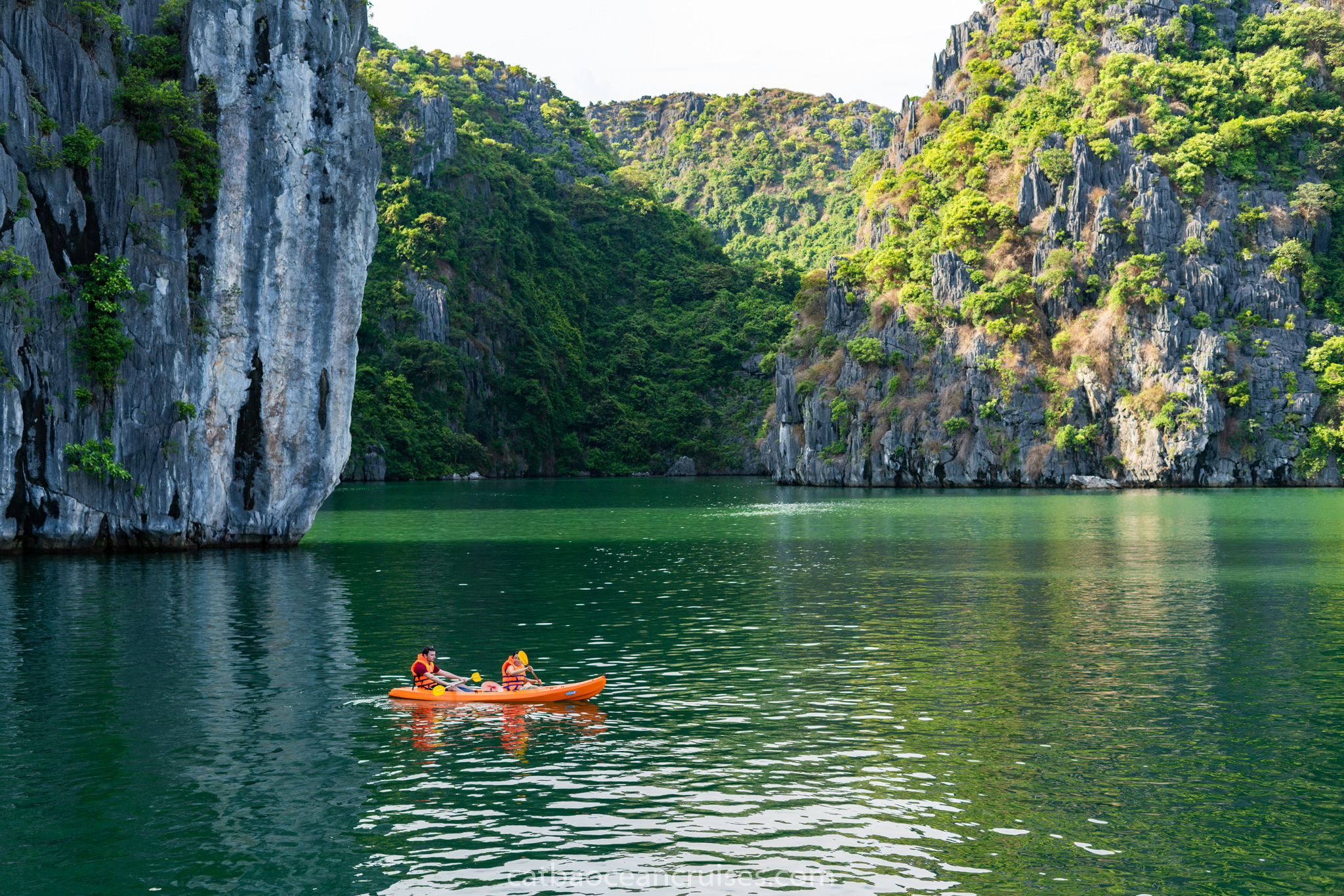
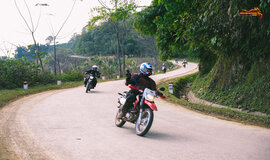
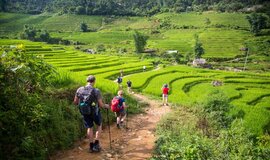
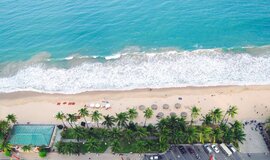
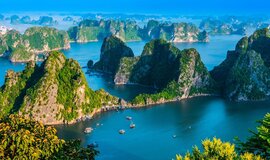
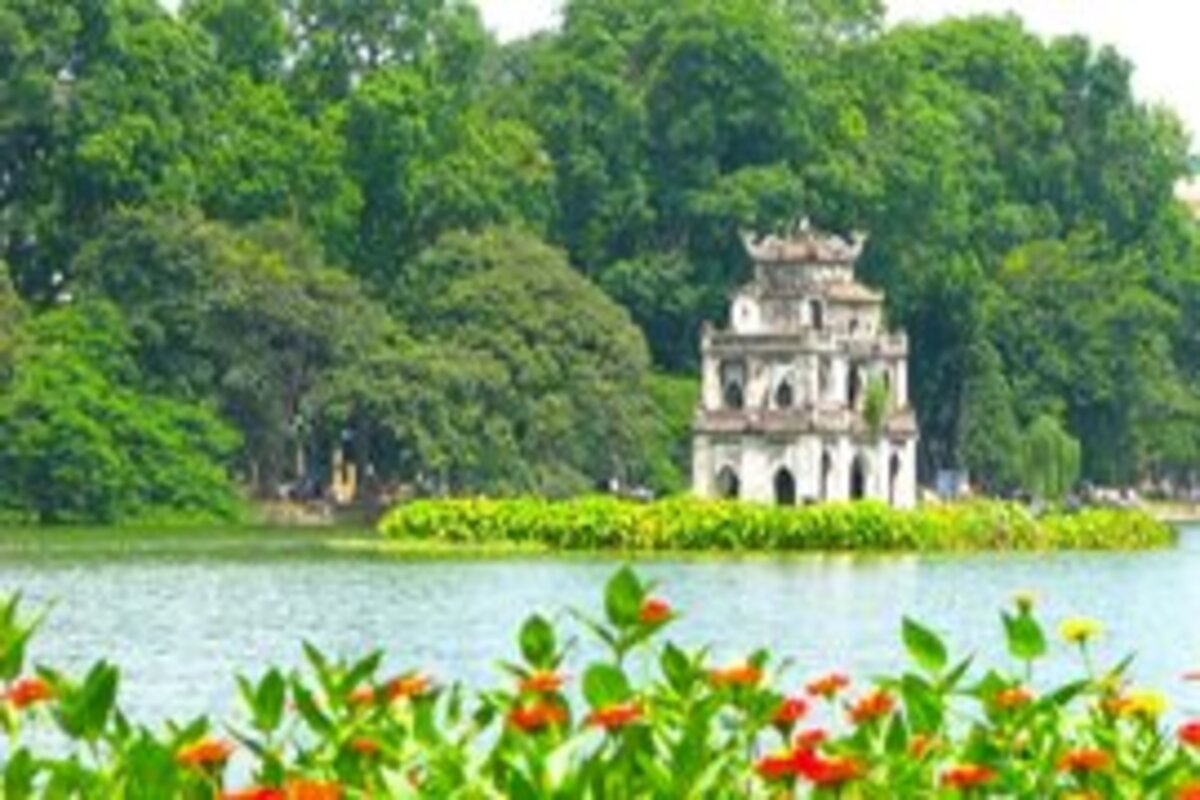
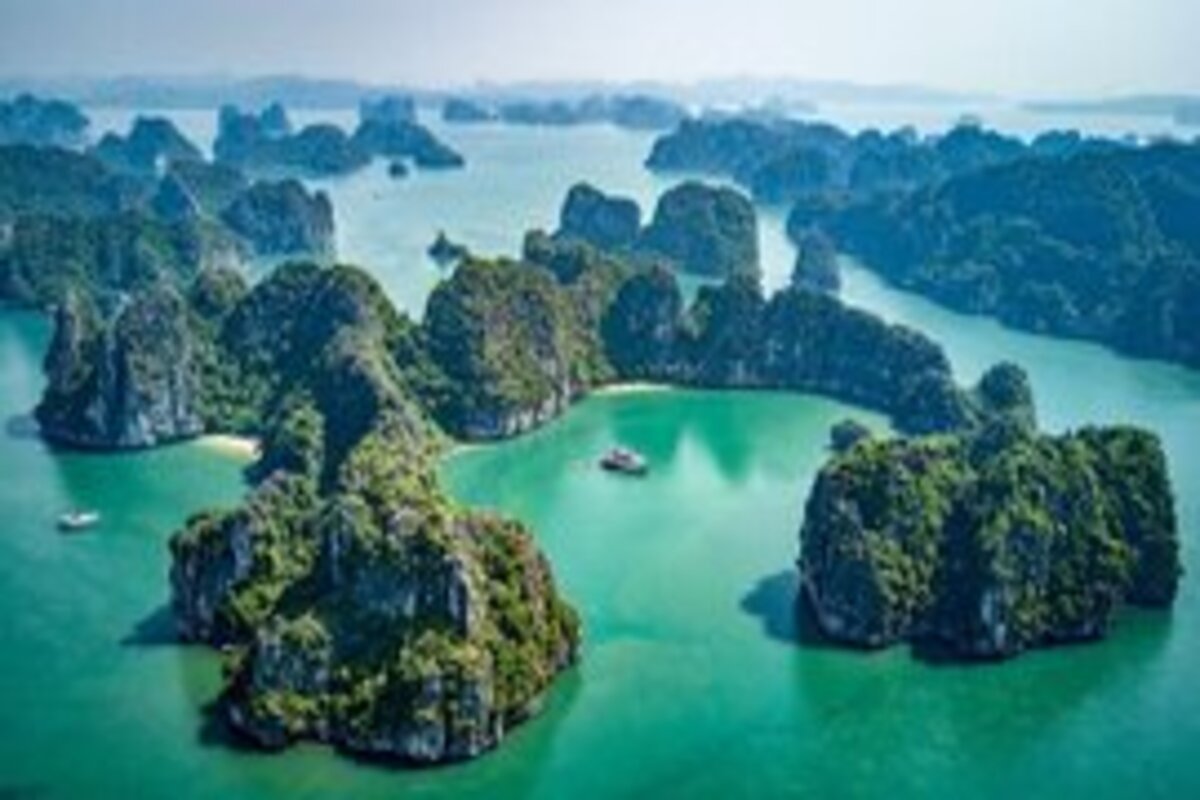
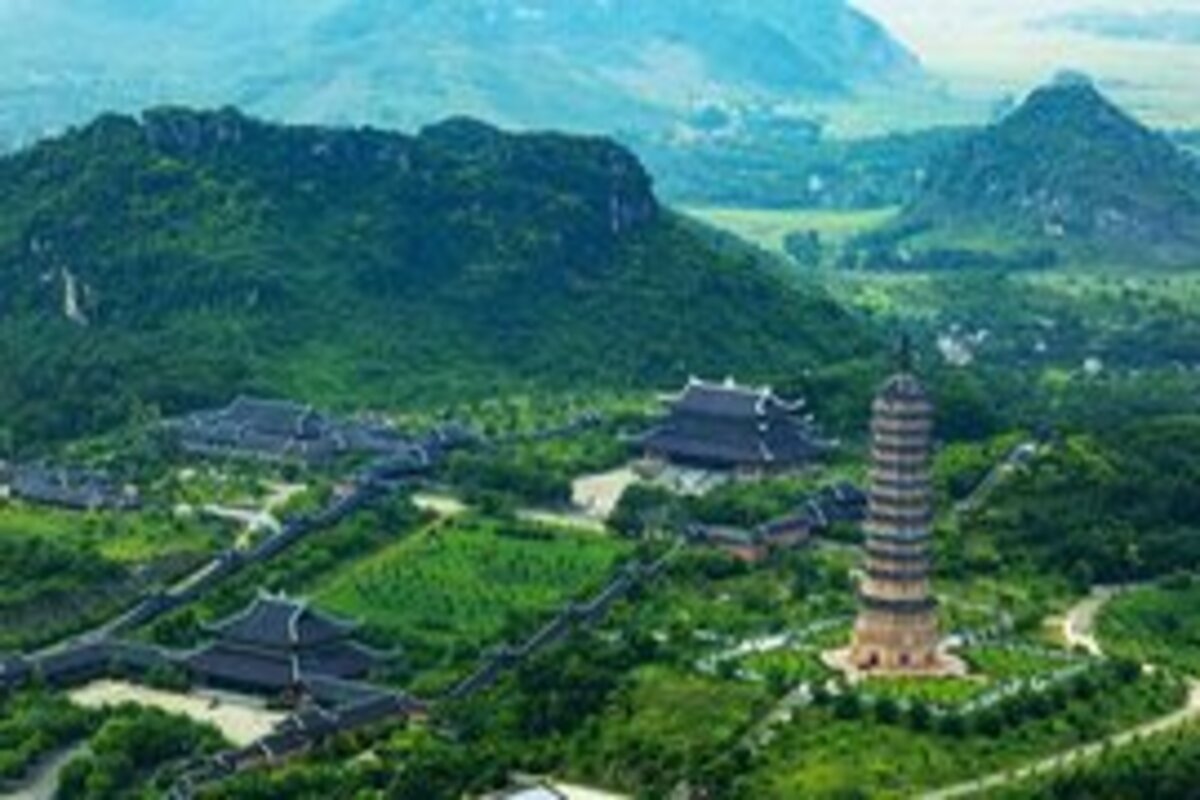
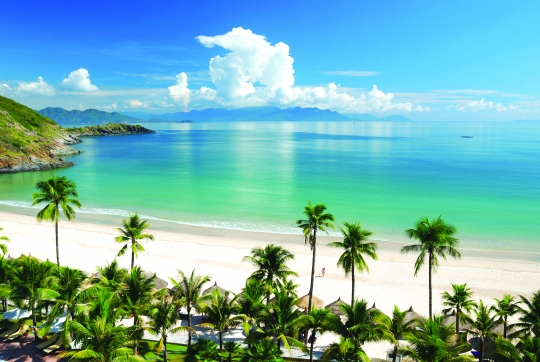
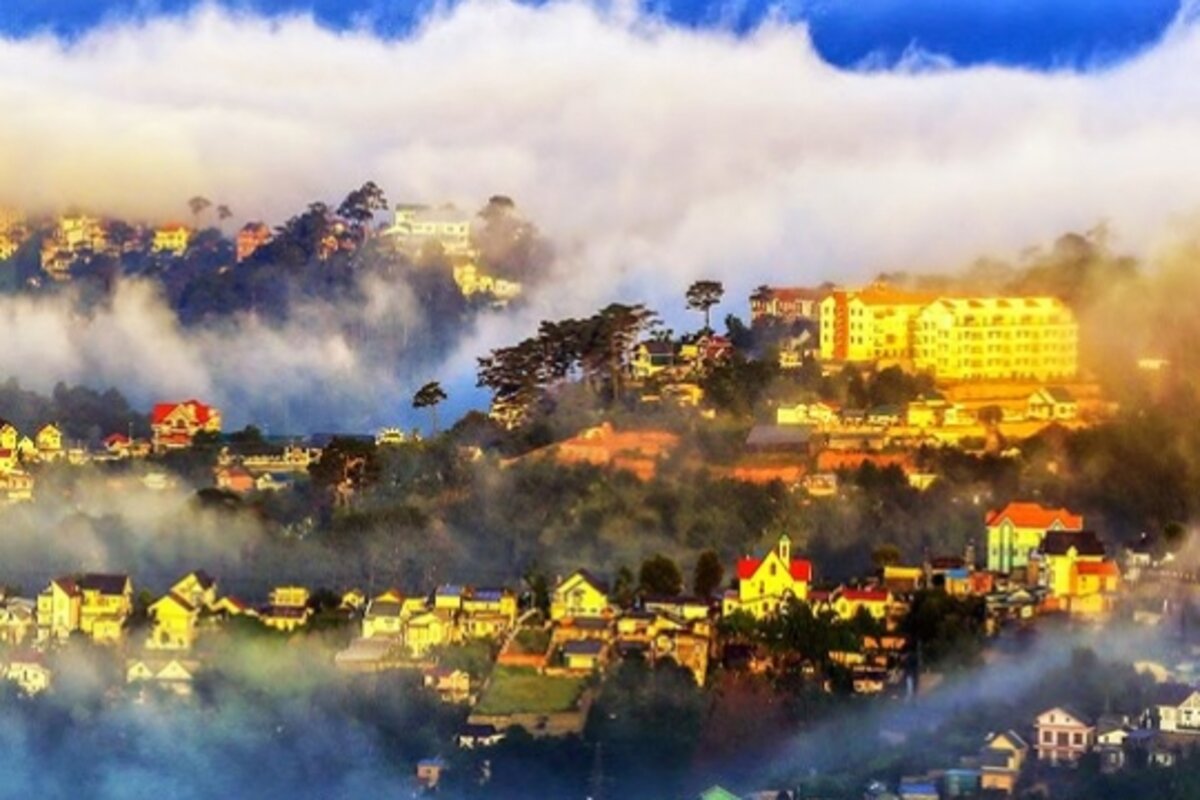
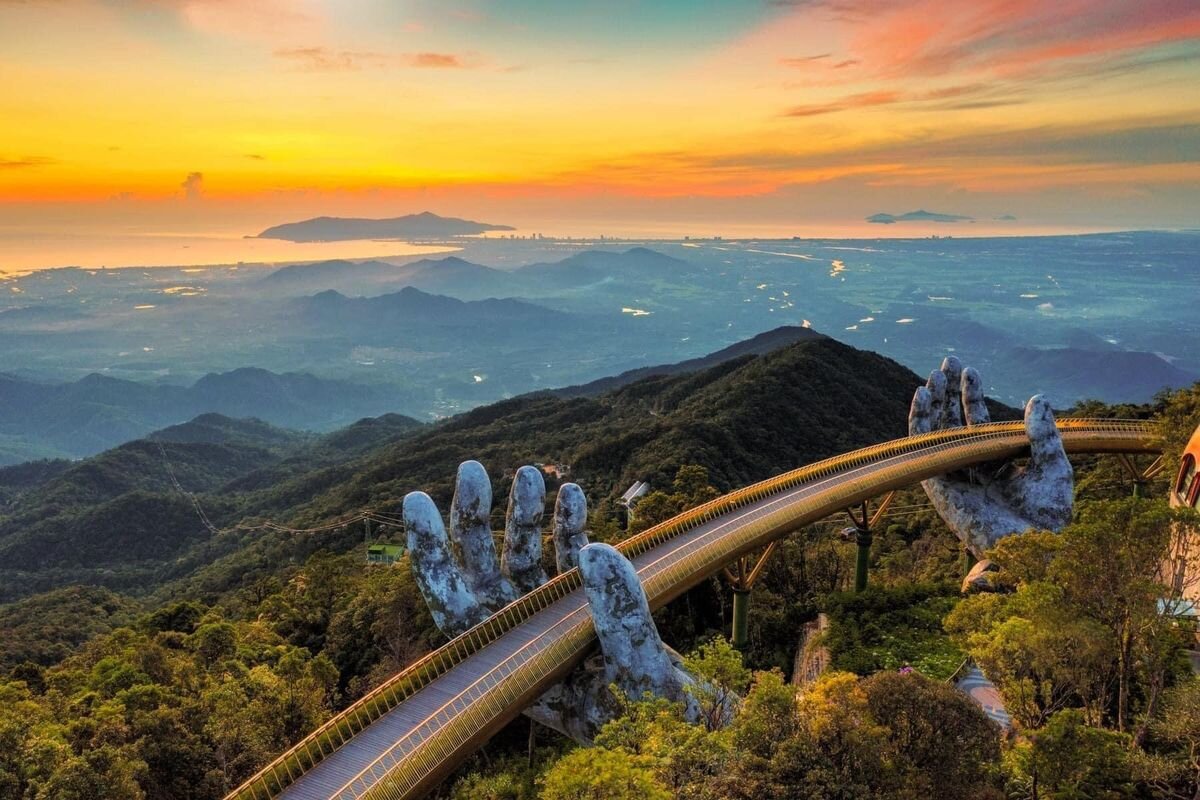
From spectacular bays and golden sandy beaches to majestic highlands and lush mountain regions with winding rice terraces, Vietnam captivates travelers with its stunning natural landscapes. Alongside this natural beauty is a rich cultural heritage, carefully preserved over centuries and gracefully blended with modern life.
Beyond its scenery, Vietnam leaves a lasting impression through its warm, friendly, and welcoming people. From remote mountain areas to vibrant cities such as Hanoi and Ho Chi Minh City, every destination offers memorable experiences. Start your Vietnam journey today and experience the beauty, culture, and spirit of this remarkable country.
Passport & Visa
Passport
Travelers to Vietnam must hold a passport valid for at least 6 months beyond the entry date and with at least one blank page for immigration stamps.
Visa
Visa requirements depend on nationality and length of stay.
Visa Exemption
Vietnam allows visa-free entry for citizens of several countries, including ASEAN countries and many European nationalities, for short stays (usually up to 45 days, depending on nationality).
Vietnam E-Visa
Available for all nationalities
Valid up to 90 days
Single or multiple entry
Applied online via the official Vietnam Immigration website
Processing time: around 3–5 working days
Important Notes
Visa regulations may change. Travelers are advised to check with the Vietnamese Embassy or Consulate before departure.
Currency
Weather
Vietnam has a tropical monsoon climate, with weather varying by region.
-
Northern Vietnam has four seasons. Summers (May–September) are hot and humid, while winters (December–February) can be cool, especially in mountainous areas.
-
Central Vietnam is generally warm year-round, with the rainy season from September to December.
-
Southern Vietnam has a tropical climate with two main seasons: dry season (November–April) and rainy season (May–October).
Temperatures across the country usually range from 20°C to 35°C. Rainfall is common during the monsoon season but rarely disrupts travel plans.
Vaccinations & Medicines
Travelers are advised to consult a doctor at least 4–6 weeks before travel to ensure all necessary vaccinations and medications are up to date.
Recommended vaccines for Vietnam include:
-
Routine vaccines (MMR, Diphtheria–Tetanus–Pertussis, Polio, Flu)
-
COVID-19
-
Hepatitis A
-
Hepatitis B
-
Typhoid
Other vaccines such as Rabies or Japanese Encephalitis may be recommended for travelers staying long-term, visiting rural areas, or working closely with animals.
It is also advised to bring basic medicines, insect repellent, and any personal prescription drugs, as well as travel health insurance.
Phone & Internet Service
Vietnam has a well-developed telecommunications network with good mobile coverage across most cities and tourist areas. The main mobile operators are Viettel, Vinaphone, and Mobifone.
Travelers can easily purchase prepaid SIM cards at airports, convenience stores, or official mobile shops. Prepaid plans are affordable and usually include mobile data, local calls, and SMS.
Internet access is widely available, with free Wi-Fi commonly offered in hotels, cafés, restaurants, and public places. Mobile internet is generally fast and reliable, making it easy to use online maps and travel apps throughout the country.
Flights & Airports
Vietnam has a well-developed aviation network with several international and domestic airports serving major cities and tourist destinations.
The main international airports include:
• Noi Bai International Airport (Hanoi)
• Tan Son Nhat International Airport (Ho Chi Minh City)
• Da Nang International Airport (Da Nang)
• Cam Ranh International Airport (Nha Trang)
• Phu Quoc International Airport (Phu Quoc)
In addition, many domestic airports connect different regions of the country, making air travel a convenient option for long-distance journeys within Vietnam.
Security
Vietnam is generally considered a safe destination for travelers. Violent crime against tourists is rare, and most visits are trouble-free.
Common minor incidents include pickpocketing and bag snatching, particularly in crowded areas such as markets, public transport, and tourist attractions. Travelers are advised to keep personal belongings secure and avoid displaying valuables.
Vietnamese police are present in major cities and tourist areas. In case of emergency, travelers can contact the police by dialing 113.
Language
The official language of Vietnam is Vietnamese. It is spoken nationwide and used in government, education, and daily communication.
English is the most widely spoken foreign language, especially among younger people and those working in tourism, hotels, restaurants, and major cities. Other foreign languages such as French, Chinese, Japanese, and Korean may also be spoken in certain areas.
Overall, travelers can communicate easily in tourist destinations using English, while learning a few basic Vietnamese phrases is always appreciated by locals.
Time difference
The official language of Vietnam is Vietnamese. It is spoken nationwide and used in government, education, and daily communication.
English is the most widely spoken foreign language, especially among younger people and those working in tourism, hotels, restaurants, and major cities. Other foreign languages such as French, Chinese, Japanese, and Korean may also be spoken in certain areas.
Overall, travelers can communicate easily in tourist destinations using English, while learning a few basic Vietnamese phrases is always appreciated by locals.
Electricity
Vietnam operates on Indochina Time (ICT), which is UTC +7 hours.
Vietnam does not observe Daylight Saving Time, so the time remains the same throughout the year.
Time difference reference:
-
Vietnam is 7 hours ahead of GMT (UTC)
-
Vietnam is 12 hours ahead of New York (USA) during standard time
-
Vietnam is 6 hours ahead of Paris (France)
On-site traffic
Traffic in Vietnam can be busy and lively, especially in major cities such as Hanoi and Ho Chi Minh City. Motorbikes are the most common means of transportation and you will see them everywhere.
In city centers, traffic congestion may occur during rush hours (early morning and late afternoon). Visitors are advised to be cautious when crossing the street and always follow local guidance.
For traveling between cities, Vietnam offers various options including private cars, taxis, buses, trains, and domestic flights, making transportation convenient and flexible for tourists.
